.png)
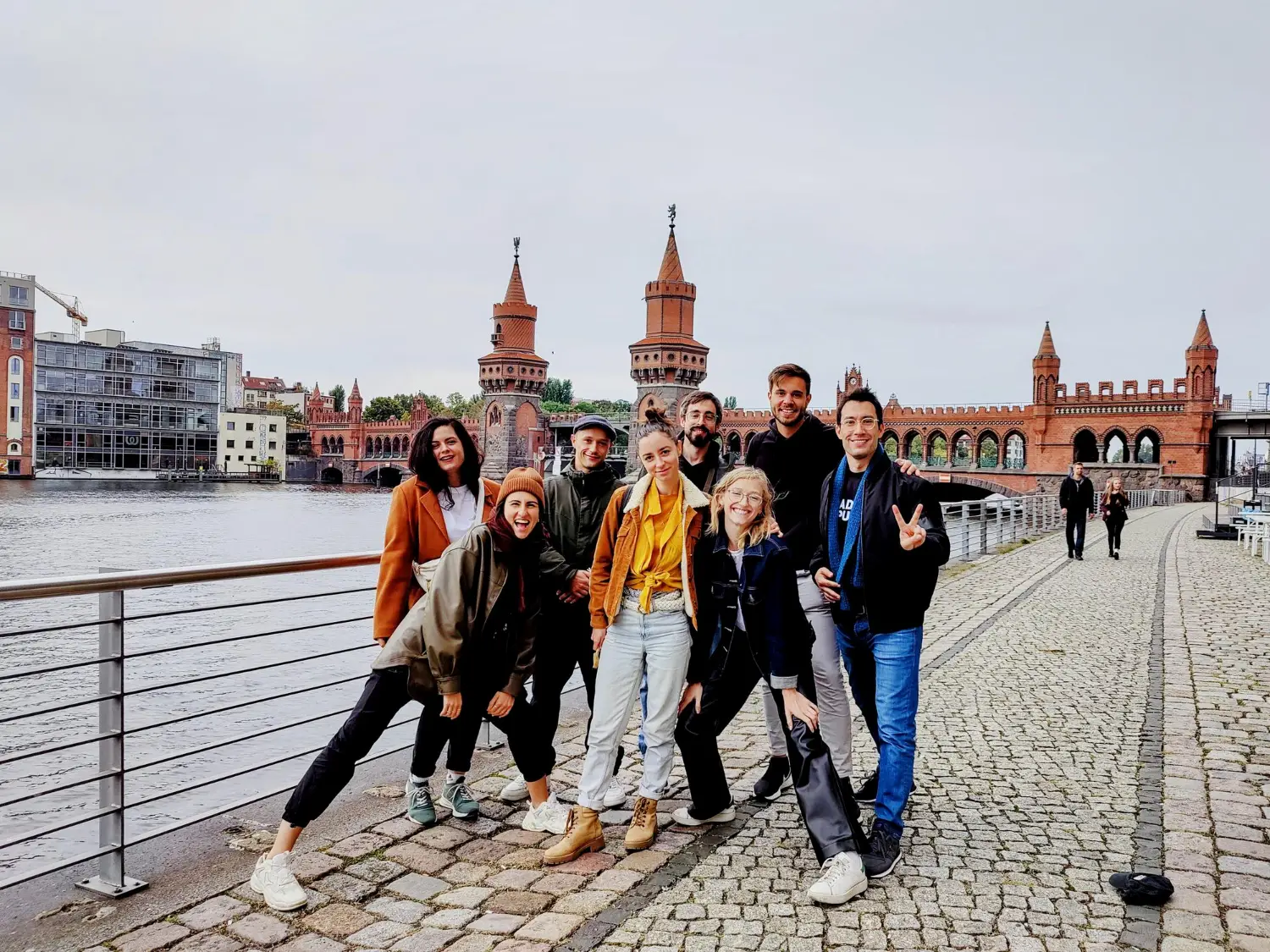
Berlin doesn’t reject newcomers. It tests them.
The city doesn’t greet you with open arms or instant friendships. It observes. It waits. It lets you circle the same streets, cafés, bars, and train platforms until you either leave or settle into its rhythm.
For expats, this can feel like social resistance. People are friendly but not inviting. Polite but not curious. You can have pleasant conversations that go nowhere, week after week, and still feel invisible.
The mistake many newcomers make is assuming Berlin’s social life is broken. It isn’t. It’s layered, intentional, and place-driven.
If you understand how Berlin’s expat social ecosystem works and, crucially, how it feels to move through it, the city becomes navigable. Not fast. But steadily.
Before anyone meets anyone in Berlin, they meet platforms.
Apartments, jobs, friendships, language partners. All roads start online. But not all platforms do the same job.
InterNations is often the first place newcomers land, and for good reason. It removes uncertainty.
Walking into an InterNations event in Berlin feels like stepping into a parallel version of the city. Conversations begin easily. English dominates. People introduce themselves without irony.
There’s a reassuring formality to it. Name tags. Clear start times. A sense that everyone has shown up for the same reason.
The Berlin chapter has over 55,000 members, but what matters more is the density of events. There’s always something happening. After-work drinks on Tuesday. A rooftop gathering on Friday. A themed dinner on Sunday.
Website: https://www.internations.org/berlin-expats
Events: Weekday evenings and weekends
Typical areas: Mitte, Charlottenburg, Kreuzberg
InterNations doesn’t feel edgy or spontaneous. It feels safe, which is exactly what many people need in their first months. It gives you social footing when everything else still feels unstable.
Facebook expat groups are less refined and far more revealing.
Scrolling the Berlin Expats group feels like overhearing the city talk to itself. Housing desperation. Bureaucratic confusion. Small wins. Big rants. Lost dogs. Last-minute drinks.
The atmosphere is chaotic, but human.
This is where you learn what people are struggling with. Where you see patterns. Where you find smaller, more specific groups that match your stage of life.
Parents gather elsewhere. Freelancers elsewhere. Burned-out tech workers elsewhere.
Facebook isn’t where friendships form. It’s where paths cross.
And sometimes that’s enough.
For a cultural reality check many newcomers miss early on, Expats Magazine lays it out clearly in What Not to Do in Berlin
Meetup works in Berlin because it gives people a reason to be in the same room.
The energy at a Meetup event is different. Less polish. More curiosity. People arrive alone and expect to leave having spoken to someone new.
Language exchanges feel like organized chaos. Tables shift. Conversations overlap. People switch languages mid-sentence.
“Fast Friending” events feel awkward for about five minutes. Then something clicks.
A frequent anchor for these events is Belushi’s Berlin, right by Alexanderplatz.
Address: Rosa-Luxemburg-Straße 41, 10178 Berlin
Website: https://www.belushis.com/bars/berlin
Schedule: Evenings, multiple times per week
Belushi’s feels intentionally international. Loud enough to erase social anxiety. Casual enough to linger. You’re not expected to impress anyone here. Just participate.
Berlin’s expat scene is deeply tied to work. Not in a corporate way, but in an existential one.
People come here to reinvent themselves professionally. That urgency seeps into social life.
The IamExpat Fair feels less like a fair and more like a temporary control center.
Held at Estrel Hall in Neukölln, it gathers banks, insurers, recruiters, relocation experts, universities, and startups into one place.
The atmosphere is practical, almost sober. People arrive with lists. Questions. A sense of “I need to figure this out.”
Address: Sonnenallee 225, 12057 Berlin
Website: https://www.iamexpat.de
Schedule: Annual, spring, daytime
It’s not glamorous. But it’s grounding. For many expats, this is the moment Berlin starts to feel manageable.
What keeps people in Berlin long-term are small, specific communities.
Freelancers lean on Expat Freelancer Berlin not just for networking, but for survival tips. Tech workers find solidarity in advocacy groups. Business professionals gravitate toward long-standing institutions like the American German Business Club Berlin.
These spaces feel quieter. More focused. People recognize each other.
This is where networking turns into continuity.
Language exchange spaces are some of the most emotionally generous places in Berlin.
There’s humility in them. Everyone is struggling with something.
The German Language Café Meetup at KARUNA Beteiligungscafé feels like a classroom without pressure.
Address: Grünberger Straße 23, 10245 Berlin
Website: https://www.karuna-ev.de
Schedule: Saturdays, 3:00–5:00 PM
The café itself is warm, slightly worn-in, community-oriented. Tables fill slowly. Conversations start gently. No one laughs when you get something wrong.
Other exchanges take place in bars like Zosch, where mistakes dissolve into background noise.
These spaces don’t just teach German. They teach patience. On both sides.
Berlin’s English-language cultural scene isn’t superficial. It’s therapeutic.
Improv groups, stand-up comedy, sketch workshops. These are places where expats process frustration, loneliness, and cultural shock together.
Laughter here isn’t just entertainment. It’s recognition.
The room laughs because everyone has been there.
This scene doesn’t replace integration, but it keeps people afloat while integration happens.
Digital platforms organize intention. Physical places sustain it.
The Castle Pub in Mitte feels like an old agreement the city made with expats.
Address: Invalidenstraße 129, 10115 Berlin
Website: https://www.castlepub.de
Best time: After 9:00 PM
It’s loud. Slightly messy. International by default. You don’t plan to stay long. You usually do.
This is where conversations don’t end abruptly. Where people suggest “one more.” Where friendships accidentally begin.
Refugio feels different from bars and cafés. Quieter. Intentional.
Address: Lenaustraße 3–4, 12047 Berlin
Website: https://www.refugio.berlin
People come here to learn, to listen, to engage. The conversations are slower. Deeper. Less performative.
Similarly, The Social Hub Berlin creates an environment designed for international connection without pressure.
Address: Alexanderstraße 40, 10179 Berlin
Website: https://www.thesocialhub.co/berlin-mitte
These places feel like pauses in the city. Necessary ones.
Most people start in the expat bubble.
But Berlin doesn’t open fully until you step outside it.
Integration here is quiet. Incremental. Seasonal.
Participating in local traditions, enduring winter together, showing up consistently. These things matter more than charisma.
Expats Magazine explores this rhythm deeply in How to Survive Your First Berlin Winter
Berlin doesn’t ask you to become German.
It asks you to stay.
The pattern is consistent.
First comes structure.
Then familiarity.
Then belonging.
Berlin doesn’t reward urgency.
It rewards presence.
Berlin is not a city you conquer. It’s a city you learn to inhabit.
Expats Magazine documents Berlin the way it’s lived — socially, culturally, emotionally, season by season.
Explore more guides, stories, and survival manuals at Expats Magazine, and start navigating Berlin with patience, clarity, and context.
Subscribe to our newsletter for the latest news, exclusive insights.

Find us in social media or contact us through email and we’ll get back to you as soon as possible.


Whether you're moving or settling in Germany, A4ord.de ensures trusted experts are just a click away.


.jpg)
